500 Weddings Later: My Answers To The Questions Every Couple Asks
The wedding planning questions everyone has but nobody knows how to ask
I have photographed more than 500 weddings, which sounds impressive until you realize it mostly means I have watched 500 different versions of people trying to figure out what in the world they are doing.
And honestly, that is the part nobody tells you.
Nobody knows how to plan a wedding the first time. You are not supposed to. You are not supposed to know how long family photos take. You are not supposed to understand ceremony light, rain plans, catering timelines, room flips, floral installs, bustle drama, transportation, vendor meals, hotel blocks, emotional family dynamics, or why a twelve minute walk at a venue can somehow wreck an entire photo schedule.
You are not behind. You are just planning something you have probably never planned before.
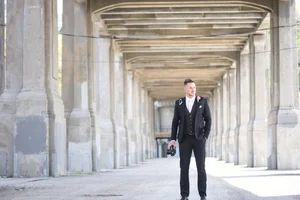
I am Miles Witt Boyer. I am a wedding photographer based in Bentonville, Arkansas, and for the last fifteen plus years I have photographed weddings all over Arkansas, across the country, and beyond. I have photographed weddings in museums, glass chapels, private estates, country clubs, vineyards, ballrooms, churches, backyards, resorts, beaches, and places that looked like they were pulled straight out of the Italian countryside even though we were very much still in Oklahoma.
I have also watched timelines collapse, rain change everything, families surprise people, vendors save the day, first looks become some of the most emotional moments of the entire wedding, and couples realize that the thing they were most stressed about did not matter nearly as much as they thought it would.
So I wanted to build one big guide. Not a perfect guide. Not a bossy guide. Not one of those wedding planning articles that makes you feel like you need a spreadsheet, a therapist, and a second mortgage by the time you finish reading it. Just an honest guide from someone who has been standing beside couples on wedding days for a long time.
This is for the couple who just got engaged. This is for the person shopping for venues. This is for the bride who has looked at forty photographers and somehow feels more confused than when she started. This is for the groom who wants to be helpful but does not know what questions to ask. This is for the parents who want the day to be beautiful and meaningful without turning it into a production nobody enjoys.
This is the stuff people wonder about but rarely know how to ask.
Questions Covered In This Guide
How soon should we start planning our wedding?
What should we book first?
Do we really need a wedding planner?
How do we keep from getting overwhelmed?
How do we know if a wedding venue is actually good?
What questions should we ask before signing with a venue?
Should we choose a venue because it looks good in photos?
What venue red flags should we watch for?
How much does weather matter?
What makes Arkansas weddings so special?
How do we choose the right wedding photographer?
Why does wedding photography cost so much?
How much photography coverage do we actually need?
Should we do a first look?
Do we need engagement photos?
Should we ask to see full galleries?
What happens if it rains?
How do photographers handle difficult light?
Why does having two photographers matter?
What makes wedding timelines fall apart?
How much buffer should we build into the day?
When should family photos happen?
How do we make the day feel less rushed?
What do guests actually remember?
Where should we spend more?
Where can we spend less?
Is a high end wedding worth it?
How do we know if a vendor is worth the investment?
How do we handle family drama?
How do we make the day feel like us?
What if one of us hates being photographed?
How do we stay present?
What do couples regret most?
What never matters in hindsight?
What will we care about ten years from now?
What is the best advice after 500 weddings?
Why These Questions Matter
Most wedding problems do not come from bad taste or bad planning. They come from assumptions. Couples assume the venue has a rain plan. They assume ten minutes is enough for family photos. They assume the photographer can fix any light. They assume the planner, venue, DJ, florist, caterer, and photographer are all picturing the same wedding day in their heads.
That is almost never true unless someone makes it true.
A wedding is not one thing. It is a hundred little things all happening at the same time. While you are getting dressed, catering is loading in. While your florist is building the ceremony space, your family is trying to find parking. While your planner is checking the weather, your photographer is looking for clean light. While guests are arriving, somebody is asking where the boutonnieres are. While you are trying to take a deep breath before the ceremony, someone may be asking where the marriage license went.
I am not saying that to stress you out. I am saying it because this is why the right questions matter. Good questions create calm. Good questions protect joy. Good questions help you hire the right people, build the right timeline, choose the right venue, and stop giving energy to things that will not matter in five years.
I have always believed that weddings are not performances. They are human stories unfolding in real time. That is a huge part of what we talk about in our Arkansas Wedding Photographer guide, where I explain why our work is built around connection, trust, light, emotion, and the kind of storytelling that actually feels like your memory.
A past client once wrote, “Worth every penny.” Another said we were “so much more than just photographers!” Those are short little phrases, but they matter because they point to the same thing. The photos matter, of course, but the experience around the photos matters too.
The way you feel on your wedding day becomes part of the way you remember it.
That is why these questions matter.
1. How Soon Should We Start Planning Our Wedding?
As soon as you have a general idea of when and where you want to get married, you can start planning. That does not mean you need to panic book every vendor three days after getting engaged. Please enjoy being engaged for five minutes. Go to dinner. Stare at the ring. Call your people. Be annoying on Instagram. It is allowed.
But once you know the season, the city, and the approximate guest count, the big pieces should start moving. The first wave is usually venue, planner, photographer, catering, and entertainment. Those decisions shape almost everything else. Your venue determines the date. The date determines vendor availability. Your guest count determines the room, the budget, the catering, the rentals, and the way the day flows.
If you are planning a Saturday wedding in peak season, especially in Northwest Arkansas, Bentonville, Fayetteville, Rogers, Springdale, Little Rock, or any destination wedding market, you will want to move faster than you think. October in Arkansas is not casual. Fall weddings here are beautiful, and everyone knows it.
If you are dreaming about a place like Crystal Bridges, Osage House, The Grand at Willow Springs, Cooper Chapel, The Ballroom at I Street, Sassafras Springs Vineyard, or a private estate wedding, you will want more time because those weddings have more moving parts. I wrote an entire guide to planning a wedding at Crystal Bridges Museum of American Art because that venue is unbelievable, but it is not simple. The property is huge. The light changes. The museum may still be open. The walk from one place to another can take longer than people expect.
Beautiful places often require more thoughtful timelines, not less.
2. What Should We Book First?
Book your venue first, or at least get it narrowed down before everything else. Your venue determines your date, guest count, layout, ceremony plan, reception flow, photo locations, rain options, vendor rules, catering needs, rental needs, hotel logistics, and sometimes even your entire design direction.
After that, I would usually book your planner and photographer quickly. A great planner helps you make better decisions before you spend money in the wrong places. A great photographer helps you understand how the day will actually feel, where the light will be, how much time portraits need, and what needs to happen so the photos are not just beautiful, but meaningful.
This is especially true if your venue is visually amazing but logistically complicated. Crystal Bridges is the easy example because it is one of the most beautiful places in the country to get married, but it is also a museum, not just a wedding venue. In Three Problems This Crystal Bridges Wedding Avoided, I talk about how the museum being open, the glass and light in the Great Hall, and the size of the property can all affect the wedding day.
That is not a reason to avoid venues like that. I love them. It is a reason to hire people who understand them.
If you start with the right venue, planner, and photographer, everything else has a much better chance of making sense.
3. Do We Really Need A Wedding Planner?
Not every wedding needs the same level of planning, but every wedding needs someone who is not the bride, groom, mother of the bride, maid of honor, photographer, or DJ trying to run the entire day from memory.
So yes, in most cases, you need a planner or at least a very strong coordinator.
A planner protects your peace. They protect your timeline. They protect your family from becoming unpaid staff. They protect your vendors from guessing. They protect your ceremony from starting late because nobody knew who had the rings. They protect the reception from feeling choppy because nobody knew when the speeches were happening.
The best planners also protect the emotional tone of the day. That is a big deal.
A wedding day can get loud really quickly. Not just physically loud, although yes, Aunt Linda will find a microphone if you let her. I mean emotionally loud. There are opinions, nerves, weather changes, hair and makeup delays, family dynamics, vendor questions, and a thousand tiny decisions that nobody wants to bring to you but somehow still find their way to you.
A great planner becomes the filter. They solve what can be solved without involving you. They bring you in only when it matters. They know how to keep the day moving without making it feel like a military drill.
In A Rainy Northwest Arkansas Wedding That Proved Experience Matters, I wrote about a day where rain changed almost everything. The timeline tightened, locations shifted, and everyone had to adapt quickly. That kind of day proves why experience matters, but it also proves why calm vendors matter.
Rain does not ruin weddings. Panic ruins weddings. A planner helps keep panic from becoming the loudest voice in the room.
4. How Do We Keep From Getting Overwhelmed?
You keep from getting overwhelmed by deciding what kind of wedding you are actually planning. That sounds simple, but it is everything.
A 300 guest ballroom wedding, a 75 person museum wedding, a private estate dinner, a chapel ceremony with a country club reception, and an intimate destination wedding are all weddings, but they are not the same project. Most couples get overwhelmed because they are collecting inspiration from five different types of weddings and trying to force all of it into one day.
Pinterest is fun until it becomes a hostage situation. Instagram is helpful until every swipe convinces you that you need a champagne tower, private vows, three dresses, a content creator, mismatched bridesmaid gowns, custom matchbooks, film photos, a vintage car, a choreographed dance, a late night espresso martini bar, handwritten notes to every guest, and a rehearsal dinner that looks like a magazine editorial.
Some of those things are great. You do not need all of them.
Start here instead. Ask what you want the wedding to feel like. Ask what kind of experience you want your guests to have. Ask what parts of the day matter most to you. Ask what would make you sad if you skipped it. Ask what would make you relieved if you skipped it.
That last one is important. If skipping something makes you relieved, pay attention.
Your wedding does not have to be everything. It has to be yours.
5. How Do We Know If A Wedding Venue Is Actually Good?
A good venue is not just pretty. Pretty is the easiest part.
A good venue has flow. It has good light, or at least workable light. It has a real rain plan. It has enough space for hair and makeup, family, wedding party, vendors, catering, guests, and photography without everyone stepping on each other. It has a team that communicates clearly. It has parking. It has bathrooms that make sense. It has places for people to go when the weather gets weird. It has power where power needs to be.
And yes, it should photograph well. But the way a venue photographs is not just about the ceremony backdrop. It is about where the light falls at the time of day you are using the space. It is about where portraits happen if it rains. It is about whether the getting ready room has windows or feels like a storage closet with mirrors.
I love Arkansas venues because we have such a strange and beautiful mix here. Art museums, glass chapels, modern white barns, mountain overlooks, historic homes, country clubs, private farms, and spaces that feel like they should not exist in the middle of Northwest Arkansas but somehow do.
If you are beginning the venue search, start with The Ultimate Guide to Arkansas Weddings. It is a big resource that walks through venues, locations, and what to think about before you choose a space. My Arkansas Wedding Photographer page also links to several venue specific resources and real weddings if you want to see how these spaces actually feel when they are full of people, emotion, and real wedding day movement.
A venue is not good because it is popular. A venue is good when it supports the kind of day you are trying to create.
6. What Questions Should We Ask Before Signing With A Venue?
Ask the unromantic questions.
I know. Nobody wants to ask about dumpsters and power access while they are imagining vows and candlelight, but the unromantic questions are usually the ones that save the day.
Ask about rain. Ask about vendor access. Ask about guest count comfort, not just maximum capacity. Ask where hair and makeup happens. Ask where both sides get dressed. Ask what time vendors can arrive. Ask what time music has to end. Ask who flips the room if ceremony and reception share a space. Ask if candles are allowed. Ask if there are noise restrictions. Ask if you have to use certain vendors. Ask if the venue manager stays through the event. Ask what happens if the ceremony has to move inside.
And please ask to see the rain plan in person. Not just hear about it. See it.
Sometimes a venue says, “We have a rain plan,” and what they mean is, “We can technically put chairs in this hallway if everyone agrees not to breathe too deeply.” That is not a rain plan. That is a group survival exercise.
A real rain plan should still feel like a wedding. It may not be your first choice, but it should be thoughtful, functional, and beautiful enough that you would not feel crushed if you had to use it.
7. Should We Choose A Venue Because It Looks Good In Photos?
You can care about how a venue photographs. You should care. You are investing in photography, and the setting absolutely matters.
But do not choose a venue only because it looks good online.
A venue can look amazing in a styled shoot and still be frustrating on a real wedding day. Styled shoots happen without guests, without catering timelines, without family photo lists, without weather pressure, without traffic, without your dad looking for his boutonniere, without your flower girl needing snacks, and without 200 people trying to move from ceremony to cocktail hour at the same time.
Real weddings are different.
That is why I care so much about showing real weddings on the blog. Fake can look great online. Real weddings have movement, weather, family, chaos, emotion, and surprises. That is where the truth is.
If you want to know how a venue actually photographs, look at full real weddings from that space. Look at the getting ready rooms. Look at ceremony light. Look at family photos. Look at reception lighting. Look at the dance floor. Look at the rain plan if there is one.
A venue should not just look good in one hero image. It should support the whole story.
8. What Venue Red Flags Should We Watch For?
The biggest venue red flag is vague confidence.
You ask about rain, and they say, “Oh, we always figure it out.” You ask about access, and they say, “It should be fine.” You ask how long it takes to move guests from ceremony to reception, and they say, “Not long.” You ask if there is enough room for hair and makeup, and they say, “People make it work.”
Those phrases are not always bad, but they should make you ask better follow up questions. You want specifics. You want examples. You want to know what happened the last time it rained. You want to know how many weddings they host in a weekend. You want to know who is actually on site during your wedding. You want to know whether the person selling you the venue is the same person helping you on the wedding day.
Another red flag is when a venue looks beautiful but has no good place for the couple to be alone for a few minutes. Wedding days are public in a way people do not fully understand until they are in one. You need a place to breathe. You need somewhere to hide before the ceremony. You need somewhere to sign the license, bustle the dress, touch up makeup, eat a few bites, or just exist without everyone looking at you.
A wedding venue should not just host your guests. It should care for you too.
9. How Much Does Weather Matter?
Weather matters a lot, but not always in the way couples think.
The problem is not rain. The problem is not heat. The problem is not wind. The problem is not cold. The problem is not having a plan.
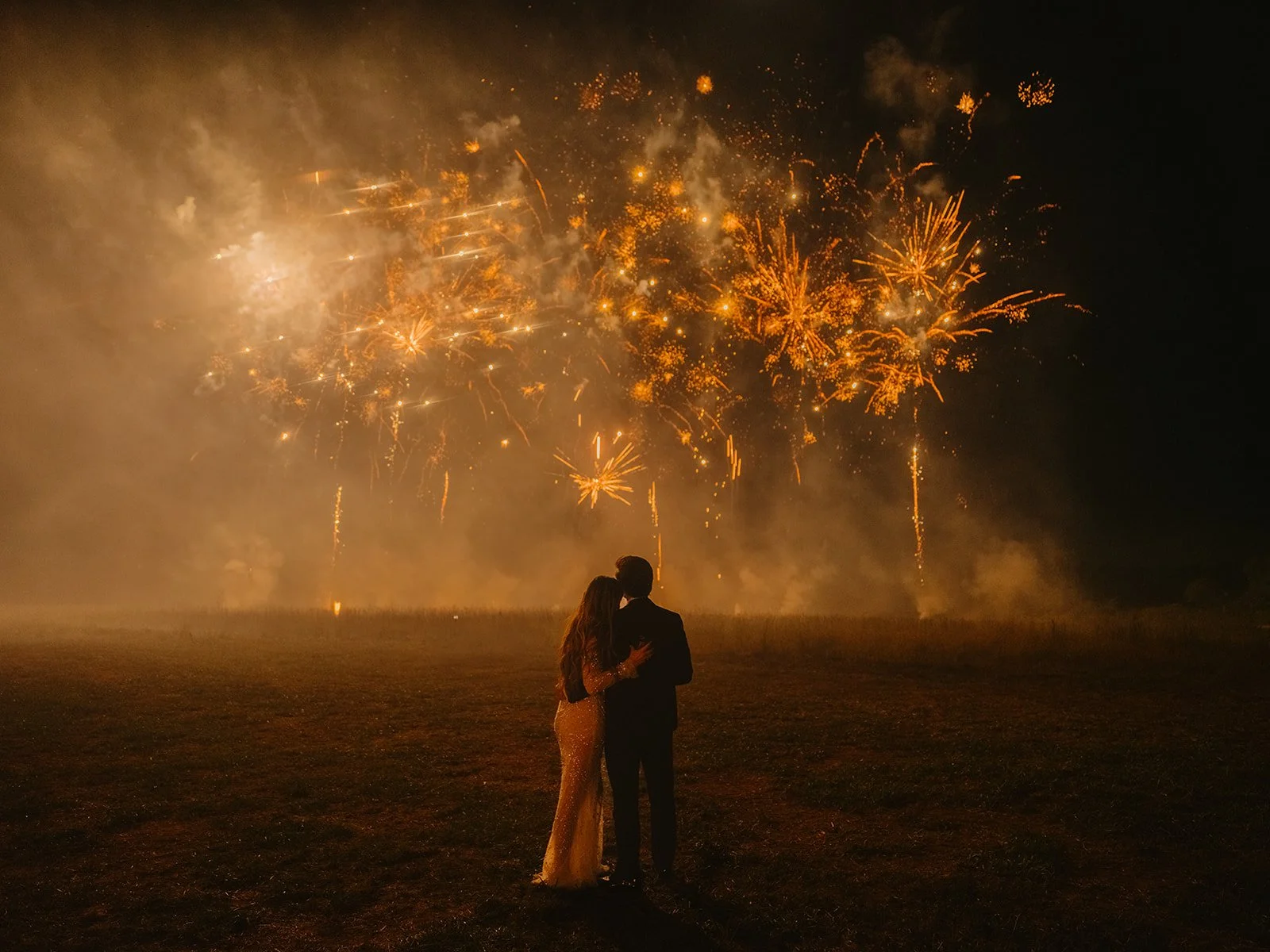
I have photographed rainy weddings that were unbelievable. I have photographed hot weddings that were still joyful. I have photographed windy weddings that looked cinematic and alive. I have photographed cold weddings where everyone leaned in closer and the day felt even more intimate because of it.
Weather changes the day, but it does not have to ruin it.
In A Rainy Northwest Arkansas Wedding That Proved Experience Matters, I wrote about a wedding day where an 80 percent chance of rain slowly turned into something closer to a guarantee. With eleven bridesmaids, eleven groomsmen, a Serbian Orthodox ceremony, and a full chapel of guests, flexibility became the whole theme of the day.
The best weather plan is not just plan B. It is plan A with a clear head. If you are planning an outdoor ceremony, ask yourself what happens if it rains, what happens if it is ninety eight degrees, what happens if it is windy, what happens if the ground is wet, what happens if guests are staring directly into the sun, and what happens if the ceremony needs to move thirty minutes before it starts.
That does not mean you should be afraid of outdoor weddings. It means you should be honest about them.
10. What Makes Arkansas Weddings So Special?
Arkansas weddings have become so much more interesting than people outside the region realize.
For years, people thought of Arkansas weddings as barns, churches, and country clubs. And we still have beautiful versions of all of those. But now we also have world class art museums, modern venues, glass chapels in the woods, mountaintop ceremonies, private estate celebrations, luxury tented weddings, intimate restaurants, and creative spaces that feel completely unexpected.
I wrote in my Arkansas Wedding Photographer guide that Arkansas is not an up and coming wedding destination anymore. It is the destination. And I mean that.
A wedding at Crystal Bridges can feel like art. A wedding at Osage House can feel clean, modern, and warm. A Cooper Chapel wedding with a reception at The Ballroom at I Street can feel timeless and deeply local, which you can see in this Cooper Chapel and Ballroom at I Street wedding. A Marland Mansion wedding in Ponca City (just a few hours away in Oklahoma) can feel unexpectedly European, which is exactly why I loved writing about Kaitlin and Brooke’s wedding at Marland Mansion.
Arkansas (and the area right around it) gives you space to be creative without feeling like you are copying the same wedding everyone else has already seen. That is a gift.
11. How Do We Choose The Right Wedding Photographer?
Do not choose a photographer only because you like their photos.
That sounds strange coming from a photographer, but stay with me.
Of course you should love the work. You should love the color, the emotion, the composition, the way the images feel. But wedding photography is not just about the final gallery. It is about who is standing near you all day.
Your photographer is with you more than almost anyone else on the wedding day. They are there when you get dressed. They are there when your mom cries. They are there when the timeline shifts. They are there when you are nervous. They are there when someone needs to take charge of family photos without making everyone feel like they are at the DMV. They are there during intimate, emotional, chaotic, sacred, hilarious, and sometimes deeply vulnerable moments.
So yes, hire someone whose work you love. But also hire someone you trust.
Ask yourself if you would want that person in the room when things are emotional. Ask if they can lead without taking over. Ask if they can make you feel comfortable. Ask if they understand light. Ask if they can handle pressure. Ask if they see weddings as performances or as human stories.
In an old Arkansas Bride interview from 2013, I told couples to “flirt a lot” and “don’t fake it.” Years later, I still believe that. The gear has changed. The industry has changed. Instagram has definitely changed. But that part has not.
Good photography is not about pretending to be someone else. It is about feeling safe enough to be yourself.
12. Why Does Wedding Photography Cost So Much?
Wedding photography costs what it costs because it is not just the hours on the wedding day.
The wedding day is the visible part. Behind it is experience, equipment, backup equipment, insurance, editing, software, travel, communication, timeline building, file storage, artistic development, business costs, education, assistants, second photographers, albums, galleries, and the emotional responsibility of documenting something that cannot be recreated.
That last part matters.
If a florist has a bad day, there are still flowers. If the cake leans a little, someone can cut it. If a song starts late, the DJ can recover. But if the kiss is missed, it is missed. If the files are lost, they are gone. If the photographer cannot handle dark reception lighting, no amount of wishing fixes that later.
You are not just paying for someone to click a button. You are paying for someone to know where to stand, when to move, when to speak, when to be quiet, what to anticipate, how to handle difficult light, how to protect files, how to create consistency, how to guide people, how to calm a room, and how to deliver images that still feel like you twenty years from now.
I talk more about this in Why Wedding Photography Pricing Is About To Change, because the industry is shifting. Couples are not just paying for pretty pictures anymore. They are paying for trust, perspective, experience, and the ability to turn a real day into something that feels like legacy.
That word matters to me.
Legacy is different than content. Content gets consumed. Legacy gets kept.
13. How Much Photography Coverage Do We Actually Need?
Most full wedding days need eight to ten hours of photography coverage.
That does not mean every wedding needs the same package. A small ceremony and dinner may need less. A large wedding with multiple locations, a full wedding party, extensive family photos, private vows, first look, church ceremony, reception, and grand exit may need more.
The real question is not, “How many hours do we need?” The real question is, “What story do we want documented?”
If you want getting ready photos, details, first look, wedding party, family photos, ceremony, cocktail hour, reception details, speeches, dances, party, and exit, that takes time. If you want a slower day with more space for portraits and candid moments, that takes time too.
I usually encourage couples not to build a timeline that treats photography like a checklist. The best images often happen in the in between. The laugh after the formal photo. The deep breath before walking down the aisle. The way your dad looks at you when everyone else is looking at the dress. The chaos in the getting ready room. The flower girl asleep under a table at the reception. The weirdly perfect moment nobody planned.
If every minute is packed, those moments have nowhere to land.
That is why I built Building the Perfect Wedding Day Photo Schedule. A good schedule is not there to control your day. It is there to protect it.
14. Should We Do A First Look?
I love first looks. I have loved them for a long time.
Back in that 2013 Arkansas Bride interview, I was already saying yes to first looks, and I still feel that way. Not because tradition is bad. Not because walking down the aisle does not matter. It absolutely matters. But because a first look gives you something really rare on a wedding day.
It gives you a private moment.
When the ceremony doors open, everyone stands. Your guests turn. Your family watches. Music is playing. The officiant is waiting. The wedding party is staring. The moment is beautiful, but it is not private.
A first look lets you feel it without performing it. You can cry. You can laugh. You can say something stupid. You can breathe. You can hold each other. You can actually talk. And then, when the ceremony happens, the emotion is still there, but the pressure is different.
First looks also help the timeline. They allow more photos before the ceremony, which can make cocktail hour easier and keep the reception from starting late. They can be especially helpful in winter when sunset comes early or at venues where moving around takes more time.
That said, not every couple should do one. If you have always dreamed of seeing each other for the first time at the aisle, that matters. I am not interested in bullying couples into a timeline that does not feel like them.
But I do want couples to make the decision based on experience, not just tradition. A first look does not steal emotion from the ceremony. It usually gives you more of it.
15. Do We Need Engagement Photos?
I think engagement photos are incredibly helpful.
Not because you need more photos of yourselves, although that is not a bad thing. Engagement photos help you get comfortable before the wedding day. They help your photographer learn how you move, how you interact, how you laugh, what makes you stiff, what makes you relax, and how much direction feels good to you.
They also help you see yourself through your photographer’s eyes before the wedding. That is huge.
Most people are not naturally comfortable being photographed. They think they need to be good at it. You do not. Being good at photos is not your job. Being present is your job. Helping you feel present is mine.
Engagement sessions are also a chance to make images in a completely different environment than the wedding day. If your wedding is formal, your engagement session can be casual. If your wedding is indoors, your engagement session can be outdoors. If your wedding is in Arkansas, we can use the Ozarks, Bella Vista, downtown Bentonville, Fayetteville, a lake, a field, or a place that actually means something to you.
I loved writing about Faith and Jaxon’s Golden Hour Engagement in the Natural State because that kind of session gives couples room to just be themselves before the wedding pressure arrives.
Engagement photos are not just save the date images. They are practice in the best way.
16. Should We Ask To See Full Wedding Galleries?
Yes. Always.
Instagram shows you highlights. Websites show you favorites. Full galleries show you consistency.
You want to see how a photographer handles the whole day. Getting ready. Details. Ceremony. Family photos. Reception. Dark rooms. Fast moments. Emotional moments. Bad light. Harsh sun. Rain. Dance floors. Exit photos. Skin tones. Color. Black and white. Everything.
A photographer can have ten incredible images and still not know how to carry a full wedding day. Weddings are not portfolio shoots. They are endurance events with emotions.
When you ask to see full galleries, do not just look for perfect images. Look for care. Look for consistency. Look for whether the family photos are clean. Look for whether the ceremony is covered from multiple perspectives. Look for whether the reception lighting feels intentional. Look for whether the candid photos feel alive or awkward. Look for whether the couple looks comfortable.
Also ask to see galleries from weddings that relate to yours. If your ceremony is in a dark church, ask to see a dark church ceremony. If your reception is outdoors at night, ask to see that. If your wedding is at Crystal Bridges, ask to see Crystal Bridges galleries. If your wedding is at Osage House, ask to see Osage House galleries.
You are not being difficult. You are being thoughtful.
17. What Happens If It Rains?
First, we breathe. Then we look at the plan.
Rain changes the day, but it does not have to define the day. The worst thing you can do is spend the entire wedding week refreshing the weather app like it is going to apologize and change its mind. It might change. It might not. Weather apps love drama. They are basically tiny meteorological reality shows in your pocket.
Instead of obsessing, build flexible plans. Have umbrellas. Have a covered portrait location. Have towels. Have a timeline that can shift. Have a planner who knows what decisions need to be made and when. Have vendors who can adapt without making you feel like everything is falling apart.
I have written about rain more than once because Arkansas weather has given me plenty of material. In Rain Rain Go Away, I wrote that even a rough version of plan A can sometimes be better than plan B. The point is not that you should ignore the weather. The point is that your first choice probably had meaning, and sometimes the goal is to preserve as much of that meaning as possible instead of running straight into a sterile backup plan that technically works but emotionally falls flat.
Some of my favorite wedding photos have happened because the weather forced everyone to stop pretending they were in control. Which, honestly, is probably good for all of us.
18. How Do Photographers Handle Difficult Light?
Experienced photographers do not just find good light. They understand bad light.
That matters.
A wedding day is not always golden hour in a field. Sometimes it is a dark church. Sometimes it is a glass room at noon. Sometimes it is mixed lighting in a ballroom. Sometimes it is a ceremony where one person is in full sun and the other is in shade. Sometimes it is a reception where the DJ lights are doing something criminal to everyone’s skin tone.
A photographer needs to know how to solve for that without making the whole day feel like a production.
This is one reason venue experience matters. In Three Problems This Crystal Bridges Wedding Avoided, I talked about the Great Hall being a glass room with a dark ceiling. That kind of space can be stunning, but if a photographer does not understand contrast, placement, and exposure, the couple can become silhouettes in their own ceremony photos.
Light is not just technical. Light changes emotion. Soft light can feel intimate. Hard light can feel dramatic. Direct flash can feel playful. Window light can feel quiet. Candlelight can feel sacred. The job is not to make everything look the same. The job is to understand what the moment needs.
That is also why my editing style matters to me. In my Narrative interview about Iconic Color, the style is described as “timeless, cinematic inspired color.” That is how I think about wedding images. I do not want them flattened into a trend. I want them to breathe.
19. Why Does Having Two Photographers Matter?
Two photographers do not just mean more photos. They mean more perspective.
That is the part couples sometimes miss.
Jared and I have worked together for a long time. He is not a random second photographer. He is my best friend, collaborator, and creative partner. We see the same wedding differently, and that is the whole point.
Where I may be watching the bride walk down the aisle, Jared may be watching the groom’s hands. Where I am photographing a father daughter dance, he may be seeing mom crying at the edge of the dance floor. Where I am directing portraits, he may be catching the in between laugh that becomes the favorite image.
The best wedding stories are layered. They are not just about what happened in front of you. They are about what happened around you.
In our Arkansas Wedding Photographer guide, I talk about the way two perspectives reveal twice the emotional depth. That is not marketing language to me. That is how we work.
Wedding days move too fast for one set of eyes to see everything. Two artists with trust and rhythm can tell a fuller story.
20. What Makes Wedding Timelines Fall Apart?
Wedding timelines usually fall apart for three reasons. People underestimate transitions. People underestimate family photos. People underestimate how long it takes humans wearing formal clothes to move from one place to another.
That is basically it.
The ceremony may only be twenty minutes, but guests arriving, seating, lining up, walking, recessional, hugs, and family movement all take time. Portraits may only be “a few quick photos” until you realize everyone needs to be found, arranged, photographed, hugged, rearranged, and released.
Getting ready almost always takes longer than people think. Bustling a dress can take longer than people think. Moving across a large venue takes longer than people think. Loading transportation takes longer than people think. Finding missing family members takes exactly seven years.
Build buffer. Not because you want a slow boring day. Because you want a day that can absorb real life.
If your timeline only works if every person is early, every vendor is perfect, every button fastens instantly, every family member is standing exactly where they should be, and the weather is angelic, then you do not have a timeline. You have a fantasy novel.
A real timeline has space.
21. How Much Buffer Should We Build Into The Day?
More than you think.
I love a timeline with breathing room. I do not mean empty hours where everyone is standing around asking what to do. I mean small pockets of margin that keep the day from feeling like a relay race.
Build buffer after hair and makeup. Build buffer before the ceremony. Build buffer for transportation. Build buffer before sunset portraits. Build buffer after family photos. Build buffer before reception introductions.
The best buffer is invisible when you do not need it and lifesaving when you do.
At venues like Crystal Bridges, buffer is not optional. It takes time to move. It takes time to work around guests. It takes time to get from one location to another. In my Crystal Bridges planning guide, I mention that even simple movement around the property can take longer than expected because the building was designed as an experience, not a straight line.
That is beautiful. It just needs to be planned for.
A rushed wedding day is rarely more fun. It is just louder.
22. When Should Family Photos Happen?
Family photos usually happen either before the ceremony if you do a first look, or immediately after the ceremony if you do not. The best time depends on your timeline, your family dynamics, your ceremony location, and whether everyone can realistically arrive early.
The real secret is not the timing. It is the list.
Make a family photo list in advance. Be specific. Use names. Group people clearly. Tell family members ahead of time where they need to be and when. Do not assume people will know. They will not. They will wander toward cocktail hour like moths to a flame.
Keep the list meaningful. You do not need every possible combination of every person who shares DNA. You need the groupings that matter and the images that will still matter later.
A good photographer should be able to move through family photos with kindness and authority. That is the balance. Nobody wants to be barked at, but nobody wants family photos to take forty five minutes because everyone is being too polite to gather Uncle Steve.
Family photos are not the most creatively exciting part of the day, but they may become some of the most important images in the gallery.
Treat them with care. Then move on and enjoy your wedding.
23. How Do We Make The Day Feel Less Rushed?
You make the day feel less rushed by choosing fewer things and giving them more space.
That is the whole secret.
You do not need eight portrait locations. You need the right locations. You do not need twenty formal photo groupings. You need the meaningful ones. You do not need every reception tradition. You need the ones that feel true. You do not need to leave your own cocktail hour if being with guests matters more. You do not need private vows, first look, wedding party photos, family photos, sunset portraits, room reveal, outfit change, champagne tower, and twenty minutes alone unless the timeline can actually hold all of it.
Every yes has a cost.
Sometimes the cost is money. Sometimes the cost is time. Sometimes the cost is emotional energy.
A wedding day can only hold so much before it stops feeling like a celebration and starts feeling like production day.
Ask yourself what you want to feel. Then plan for that feeling.
24. What Do Guests Actually Remember?
Guests remember how the day felt.
They remember whether they were comfortable. They remember whether they were fed. They remember whether the ceremony felt meaningful. They remember whether the couple seemed happy. They remember whether the music was fun. They remember whether they had to wait too long without knowing what was happening. They remember the energy of the room.
They probably do not remember the napkin fold. I am sorry to the napkin fold community.
They may notice beautiful design, of course. Great florals, lighting, stationery, linens, and table design all help create atmosphere. I love those things. I photograph those things. I am very grateful for creative vendors who make rooms feel incredible.
But design should serve the experience, not replace it.
The best weddings have both beauty and warmth. If guests walk away saying, “That felt so much like them,” you won.
25. Where Should We Spend More?
Spend more on the things that shape experience and memory.
That usually means planning, photography, food, music, venue, and lighting. Planning shapes the flow. Photography preserves the story. Food and drink shape guest comfort. Music shapes energy. Venue shapes logistics and atmosphere. Lighting can completely transform how a space feels and photographs.
Spend more where failure would hurt.
If bad photography would devastate you, invest in photography. If a chaotic timeline would make your family miserable, invest in planning. If your guests are traveling a long way, invest in hospitality. If the reception matters most, invest in music, lighting, and food.
There is no universal wedding budget that fits everyone because every couple values different things. The important thing is to spend in alignment with what you care about, not what the internet told you should matter.
One client said our team was “Best money ever spent.” I do not take that lightly. To me, that kind of review is not just about pictures. It means the investment felt right because the experience, the care, the work, and the final photographs all lined up.
26. Where Can We Spend Less?
Spend less on things you are only doing because you feel like you are supposed to.
That could be favors. It could be printed programs. It could be a huge wedding party. It could be extra signage. It could be a late night snack nobody asked for. It could be custom anything. It could be elaborate details that will stress you out more than they will delight you.
I am not anti detail. I am anti meaningless detail.
If something tells your story, creates hospitality, supports the design, or makes the day more personal, great. Do it. If something exists only because you saw it online and now feel vaguely guilty for not having it, maybe let it go.
Your wedding does not become more meaningful because there are more things on tables.
Sometimes simple is not less. Sometimes simple is the point.
27. Is A High End Wedding Worth It?
A high end wedding is worth it when the investment creates depth, comfort, beauty, meaning, and a better experience for the people in the room. It is not worth it if it becomes a performance you are too stressed to enjoy.
I have photographed expensive weddings that felt cold. I have photographed simple weddings that felt rich in every way that matters. I have photographed big high end weddings that were deeply emotional and intimate because the couple and vendor team cared about more than appearances.
The money is not the magic. The intention is.
That is why I wrote Luxury Wedding Photography in Arkansas: Why Powerful Matters More Than Pretty. Pretty is easy. Powerful is intentional.
A high end wedding should not just look expensive. It should feel considered. It should feel like hospitality. Like care. Like beauty with meaning underneath it. Like your guests were thought about. Like your family was honored. Like the art and the experience mattered together.
That is worth investing in.
28. How Do We Know If A Vendor Is Worth The Investment?
A vendor is worth the investment when they bring more than the thing they sell.
A florist brings beauty, but a great florist also brings design understanding, scale, logistics, installation knowledge, and the ability to make a room feel alive. A planner brings organization, but a great planner also brings calm, taste, advocacy, vendor communication, and emotional leadership. A photographer brings images, but a great photographer also brings trust, direction, anticipation, problem solving, and the ability to see what is happening before it fully happens.
Look for vendors who ask good questions. Look for vendors who listen. Look for vendors who can explain their process without making you feel small. Look for vendors whose work feels consistent. Look for vendors who talk about your wedding as something personal, not just another date.
Reviews matter too. Real client language tells you things portfolios cannot. When someone says a vendor made them feel calm, protected, seen, comfortable, or cared for, listen to that. Those words matter on a wedding day.
A vendor is not just hired for the ideal version of the day. They are hired for the real version. The real version is where the truth shows up.
29. How Do We Handle Family Drama?
With clarity, kindness, and a plan.
Family dynamics are part of weddings. Sometimes they are beautiful. Sometimes they are complicated. Usually they are both.
If there are divorces, strained relationships, grief, strong personalities, or people who should not be placed beside each other in family photos, tell your planner and photographer before the wedding day. You do not need to give us every detail. We do not need the full Thanksgiving episode. We just need enough information to protect people.
Tell us who should not be grouped together. Tell us if a parent may need extra care. Tell us if someone important has passed away and you are honoring them. Tell us if there are family situations that may affect the ceremony, seating, dances, speeches, or photos.
This is not gossip. This is preparation.
A good vendor team should handle that information with care and discretion. The goal is not to make the day feel heavy. The goal is to make sure avoidable pain is not accidentally built into the timeline.
Weddings have a way of bringing everything to the surface. That is not always bad. Sometimes it is beautiful. But it helps to have people around you who know how to hold the room.
30. How Do We Make The Day Feel Like Us?
Stop asking what weddings are supposed to look like and start asking what your life actually feels like.
That sounds dramatic, but it is true.
What do you love together? Where do you feel most yourselves? What kind of hospitality feels natural to you? What music do you actually listen to? What food makes sense? What traditions matter? What traditions do not? What would make your friends say, “Of course they did that”?
Your wedding does not have to be wildly unique to be personal. It just has to be honest.
Maybe that means a black tie museum wedding. Maybe it means a chapel ceremony and a wild dance floor. Maybe it means dinner under a tent on family land. Maybe it means a small ceremony with your closest people. Maybe it means a design forward reception at Crystal Bridges. Maybe it means something unexpectedly European at Marland Mansion, like Kaitlin and Brooke’s wedding.
The goal is not to impress everyone. The goal is to recognize yourselves in the day.
31. What If One Of Us Hates Being Photographed?
Then you are normal.
Almost everyone thinks they are awkward in photos. Some people just hide it better.
The goal is not to turn you into models. The goal is to create enough comfort and direction that you can stop thinking so much about being photographed. That is why trust matters. That is why engagement sessions help. That is why I talk while I shoot. That is why I try to make portraits feel like movement instead of a museum display.
I would rather you laugh, flirt, walk, hold hands, bump into each other, whisper something ridiculous, and actually interact than stand frozen while wondering what to do with your hands.
Your photographer should direct you through the motion and make room for emotion. That has been my philosophy for a long time. It was true in 2013. It is true now.
You do not need to perform romance. You just need enough space to remember that you like each other.
That helps.
32. How Do We Stay Present?
You stay present by protecting the day before it arrives.
Build a timeline with space. Hire vendors you trust. Communicate family dynamics. Give your phone to someone else. Eat food. Drink water. Decide ahead of time that not every small problem deserves your attention.
Also, accept that the day will not be perfect.
That is not a negative statement. That is freedom.
Something will go differently than planned. Someone will be late. Something will be missing. A flower may wilt. A child may cry. A groomsman may forget something. The weather may shift. The timeline may bend.
That does not mean the day is ruined. It means the day is real.
The couples who enjoy their weddings the most are not the ones whose days go perfectly. They are the ones who are surrounded by people they trust and willing to let the day become what it becomes.
Presence is not an accident. It is a decision supported by planning.
33. What Do Couples Regret Most?
Couples rarely regret the things they thought they would regret.
They do not usually regret the exact shade of linen. They do not regret whether the welcome sign was perfect. They do not regret small design choices nearly as much as they regret not being present.
They regret rushing. They regret trying to please everyone. They regret not hiring the vendor they trusted because another option was cheaper. They regret not giving themselves enough time for portraits. They regret skipping video when the voices of people they love would have mattered later. They regret not eating. They regret letting stress steal the morning. They regret not building space to actually take in the room.
Most of all, they regret treating the wedding like a project instead of a memory in progress.
That does not mean details do not matter. They do. But details are supposed to support the story, not become the story.
34. What Never Matters In Hindsight?
Most tiny imperfections.
The thing that felt enormous at 10:47 on the wedding morning often becomes completely irrelevant by dinner. The weather shift. The slightly late start. The missing boutonniere. The flower girl meltdown. The fact that the napkins were folded differently than the mockup. The little thing on the cake table. The song that started ten seconds late. The one chair that was not where it was supposed to be.
You may remember some of it. You may even laugh about it. But it probably will not define the day.
What defines the day is the feeling.
The people. The vows. The hugs. The speeches. The way your spouse looked at you. The way your parents held you. The way the room sounded when everyone you loved was in one place. The quiet moments. The loud ones. The strange little in between pieces that nobody could have planned.
A wedding is not perfect because nothing went wrong. A wedding is beautiful because what mattered still mattered.
35. What Will We Care About Ten Years From Now?
You will care about the people.
You will care about the images that bring them back. You will care about the way the day felt. You will care about the photos of your grandparents, your parents, your siblings, your friends, your kids if they are there someday looking through the album. You will care about the way your dress moved, the way your hands looked during the vows, the way the room felt during dinner, the way your people surrounded you.
You will care about whether your photos feel like a memory or just evidence.
That is why albums still matter to me. Back in that old Arkansas Bride interview, I said an album was the photography splurge I wished more brides would add. I still believe that. A gallery is wonderful. A cloud backup is important. But an album is different. It is physical. It is permanent. It becomes part of your home.
There is something powerful about not letting your wedding live only on a screen.
Your wedding photos should not disappear into a hard drive like a tax document. They should be held.
36. What Is The Best Advice After 500 Weddings?
Here is the thing.
You do not need a perfect wedding. You need an honest one.
You need a day that feels like you. You need people around you who care. You need vendors you trust. You need a timeline with enough space to breathe. You need a rain plan that does not make you sad. You need photography that feels like memory, not just content. You need to stop trying to impress people who are not paying attention as closely as you think they are.
After more than 500 weddings, I have never heard a couple say, “I wish we had spent more time stressing about the napkins.”
I have heard couples say they were grateful they hired the right team. I have heard them say they were glad they did the first look. I have heard them say they were thankful we built in extra time. I have heard them say they did not realize how much the photos would mean until later.
And that is the part I keep coming back to.
A wedding is not just an event. It is a gathering of the people who shaped you, showing up to witness the beginning of something new.
That is rare. That deserves care.
So ask the questions. Build the plan. Hire the people. Choose the venue. Make the decisions.
Then, when the day comes, let yourself be there.
Really there.
That is where the good stuff lives.
More Wedding Planning Resources
If you are still in planning mode, here are a few places to keep reading.
The Ultimate Guide to Arkansas Weddings
Planning a Wedding at Crystal Bridges Museum
Three Problems This Crystal Bridges Wedding Avoided
A Rainy Northwest Arkansas Wedding That Proved Experience Matters
Building the Perfect Wedding Day Photo Schedule
Luxury Wedding Photography in Arkansas: Why Powerful Matters More Than Pretty
The Curated Luxury Wedding Photography Experience in Arkansas
Getting Married at Osage House
Cooper Chapel and The Ballroom at I Street Wedding
An Unexpectedly European Wedding at Marland Mansion
Faith and Jaxon’s Golden Hour Engagement in Arkansas
Arkansas Bride Feature from 2013
Narrative Iconic Color Feature
Photographic Collective Podcast
About Miles Witt Boyer
Miles Witt Boyer is a wedding photographer, educator, speaker, Fujifilm Global Ambassador, founder of PHOTOCO, and host of the Photographic Collective Podcast with Jared Mark Fincher. Based in Bentonville, Arkansas, Miles and Jared photograph high end and destination weddings with a focus on connection, cinematic color, emotional honesty, and images that feel timeless without feeling stiff.
Fujifilm describes Miles as having a “passion for relationships and human connection,” which is probably the simplest way to say what has kept this work meaningful after hundreds of weddings. The cameras matter. The light matters. The experience matters. But the people have always mattered most.
If you are planning a wedding in Arkansas or anywhere your story takes you, I would love to hear what you are dreaming up.
FAQ
How far in advance should we book a wedding photographer?
Most couples book nine to eighteen months before their wedding date, especially for peak seasons and popular venues. If you already have a date and venue, it is worth reaching out early.
Should we book our venue before our photographer?
Usually yes. Your venue determines your date, and your date determines photographer availability. If photography is one of your highest priorities, you can reach out while you are narrowing venues so you know which dates are still available.
Is a first look worth it?
For many couples, yes. A first look creates a private emotional moment and helps the timeline feel calmer. It is not required, but it is worth considering.
What should we ask a wedding photographer before booking?
Ask about experience, full galleries, backup equipment, editing, timeline help, rain plans, delivery, second photographers, and how they handle difficult light. Also ask yourself if you trust them as a person.
How much wedding photography coverage do we need?
Most full wedding days need eight to ten hours, but the right amount depends on your timeline, locations, guest count, ceremony time, and how much of the story you want documented.
What happens if it rains on our wedding day?
Rain changes the plan, but it does not have to ruin the day. The key is having a thoughtful rain plan, flexible timeline, experienced vendor team, and a calm approach.
Do engagement photos matter?
Yes. Engagement sessions help couples get comfortable in front of the camera before the wedding and help the photographer understand how they naturally interact.
What makes a wedding venue good?
A good venue has more than pretty views. It has flow, light, guest comfort, a real rain plan, good communication, functional getting ready spaces, and enough room for the kind of wedding you want.
Are high end weddings always better?
No. The best weddings are intentional, not just expensive. A high end wedding is worth it when the investment creates meaning, comfort, beauty, and a better experience.
What do couples regret most after their wedding?
Most couples regret rushing, trying to please everyone, not hiring vendors they trusted, skipping meaningful coverage, or letting stress steal too much of the day.